
As electric vehicles (EVs) continue to rise in popularity, more and more drivers are grappling with a basic question: How do you pay for EV charging? Whether you’re charging at home or on the go, understanding the ins and outs of paying for charging services can save you both time and money. From finding the best places to charge to navigating various payment methods, there’s plenty to unpack. So, buckle up as we dive into everything you need to know about paying for EV charging, including ways to cut down costs.
Where Can You Charge Your Electric Car?
One of the conveniences of owning an electric vehicle is the flexibility in charging locations. There are three main places you can charge:
At Home
Charging at home is perhaps the most convenient and cost-effective method. Most EV owners install a Level 2 charger (240V) in their garage or driveway, which significantly reduces charging time compared to a standard outlet. Home charging allows you to plug in overnight and wake up with a fully charged vehicle.
At Workplaces
Some employers offer workplace charging as a benefit to employees. These charging stations can typically be found in office parking lots or company-owned garages. Workplace charging is especially useful if your commute requires more battery power than your vehicle can hold, or if you want to “top off” during the day.
At Public Charging Stations
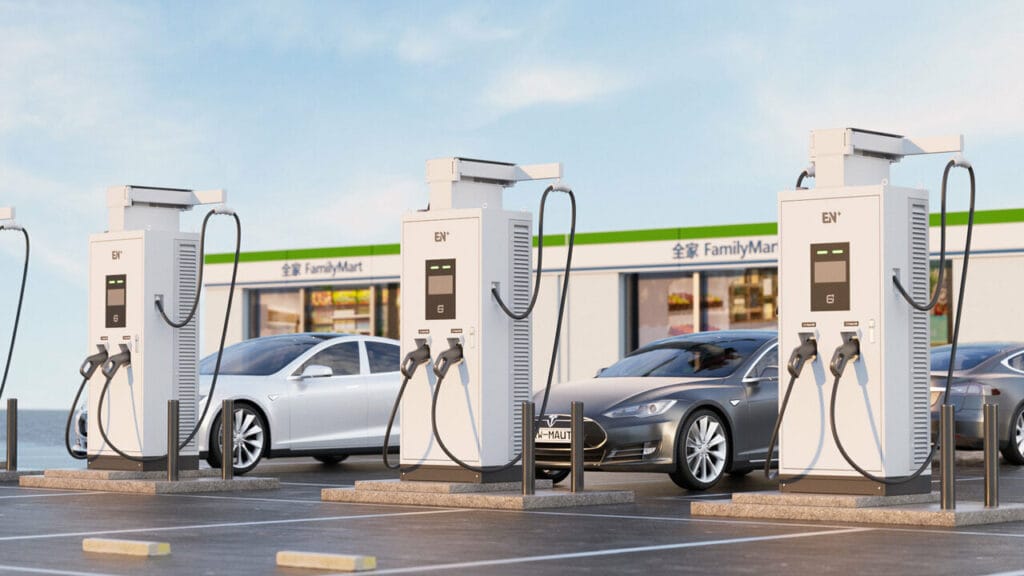
Public charging stations are scattered across cities, highways, and even rural areas. These stations vary in terms of speed and payment options. They include DC fast chargers for quick recharges and Level 2 chargers that take a bit longer but are more widely available. Public stations are particularly useful for long road trips or when you need a charge away from home or work.
How to Pay for EV Charging at Home
Paying for EV charging at home is straightforward since it’s part of your usual electricity bill. However, your costs depend on your local electricity rates, how often you charge, and how much energy your vehicle requires. If you install a Level 2 charger, you may initially face some costs for equipment and installation, but after that, you’ll only be paying for the electricity you use.
Depending on your utility provider, you might have the option to take advantage of time-of-use rates. This means charging your car during off-peak hours, typically at night, could save you money compared to daytime charging when electricity rates are higher. Smart chargers can help you automate this process, ensuring that your vehicle charges when electricity is cheapest.
How to Pay for Public EV Charging
Public EV charging introduces more payment options, which can vary by location and charging network. Let’s explore the different ways to pay for public EV charging.
1. Charging Network Memberships
Many public charging stations are part of large networks like ChargePoint, EVgo, or Electrify America. These networks often offer memberships or subscription plans that give you access to their stations and may include lower rates for members. Payment is typically made through a mobile app, which allows you to locate stations, start charging, and pay directly.
- Subscription Plans: Some charging networks offer monthly subscriptions, where you pay a flat fee for unlimited charging or a set number of charging sessions. This can be beneficial for frequent public charging users.
2. Pay-as-You-Go
If you don’t have a membership with a charging network, you can still use most public stations through a pay-as-you-go option. Payment methods include:
- Mobile Apps: Charging networks usually have apps that allow you to locate nearby stations, check availability, and pay for a charging session. Simply create an account, link your payment method, and pay through the app.
- RFID Cards: Some networks provide RFID cards that you can use to start and pay for a charging session. You tap the card on the station’s reader to begin charging.
- Credit or Debit Cards: Many public charging stations accept credit or debit cards, similar to paying for gas at the pump. This is a convenient option for one-time users or those who don’t want to set up a membership.
3. Payment at Public Charging Stations
At public charging stations, the actual payment method depends on the provider. Stations often display instructions for paying through one of the following methods:
- Contactless Payment: Many stations allow for contactless payment via credit cards, Apple Pay, or Google Pay.
- Charging Apps: Most major networks allow you to activate a charging session via their app, which will automatically deduct the cost from your linked payment method. At EN-Plus, drivers can pay for their charging session on the Evchargo App.
- Station-Specific Payment Systems: Some stations have their own kiosks or built-in payment systems where you can swipe your card or tap your phone for contactless payment.
Public charging can be a bit more expensive than charging at home, especially if you’re using DC fast chargers, which provide a rapid boost of power. However, fast charging is invaluable when you’re on a long journey and need to get back on the road quickly.